


Gemini 4 Carbon is Google’s frontier AI model announced on 28 October 2026 for sustained agentic engineering and cybersecurity work. Its reported gains highlight a shift from generating answers toward completing complex tasks while respecting evidence and boundaries. H2T Media Group examines what Google actually released, what the benchmarks measure, and how enterprise teams can evaluate responsible agent deployment.
 Key Takeaways
Google Gemini 4 Carbon is a frontier AI model designed for cybersecurity and long-horizon agentic workflows, with improved task execution, transparency, and adherence to boundaries.
Essential facts about Gemini 4 Carbon
- Google introduced Gemini 4 Carbon on October 28, 2026, building on the Gemini 4 Argon model announced two weeks earlier.
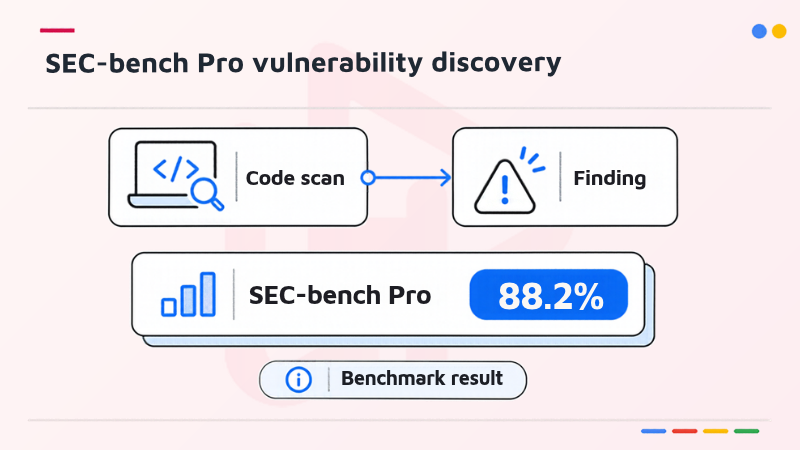
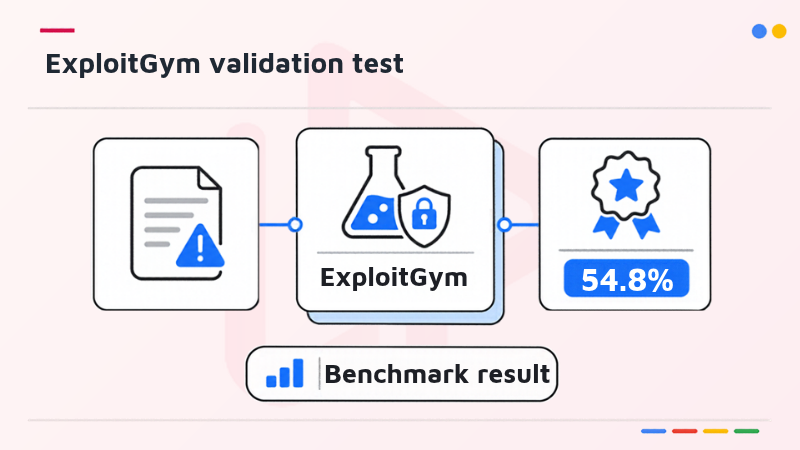
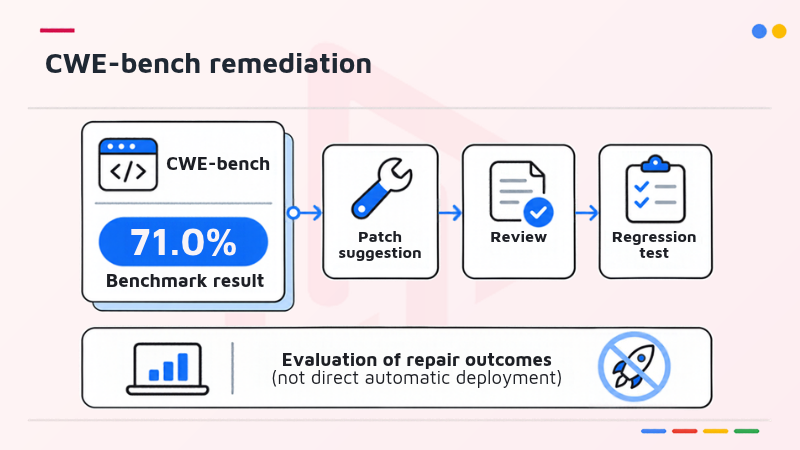
- Google reports cybersecurity benchmark scores of 88.2% on SEC-bench Pro, 54.8% on ExploitGym, and 71.0% on CWE-bench. These are separate evaluations, not a combined reliability score.
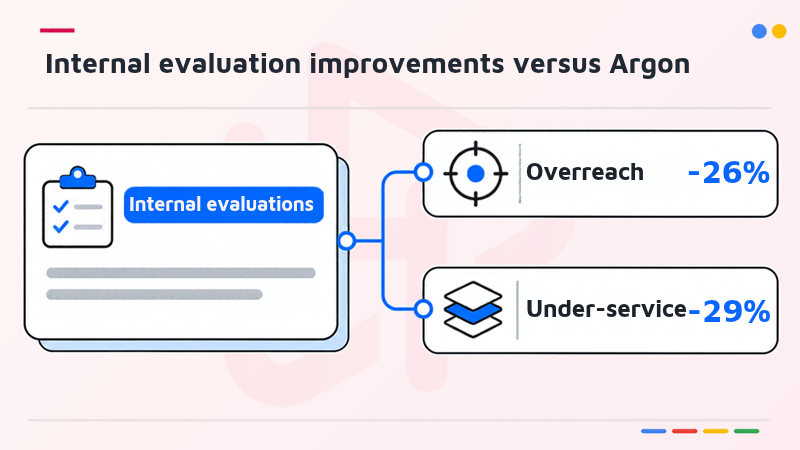
- Google reports improvements over Argon in secure-code generation, unsupported claims, overreach, and under-service, based on internal evaluations.
- Carbon is designed to flag missing or conflicting information, request clarification, and complete multi-step tasks while respecting project boundaries.
- Initial access targets selected cyber defenders through the Fairwind Program. Broader availability is planned, but the announcement does not establish a general release date or Google Ads integration.
1. Gemini 4 Carbon: what Google announced
Google positions Carbon as a model designed for multi-step engineering tasks that may require sustained investigation, correction, and follow-through. Its release matters for AI operations, but the announcement should not be mistaken for a generally available enterprise product or a campaign automation capability.
1.1. The 28 October announcement and its intended scope
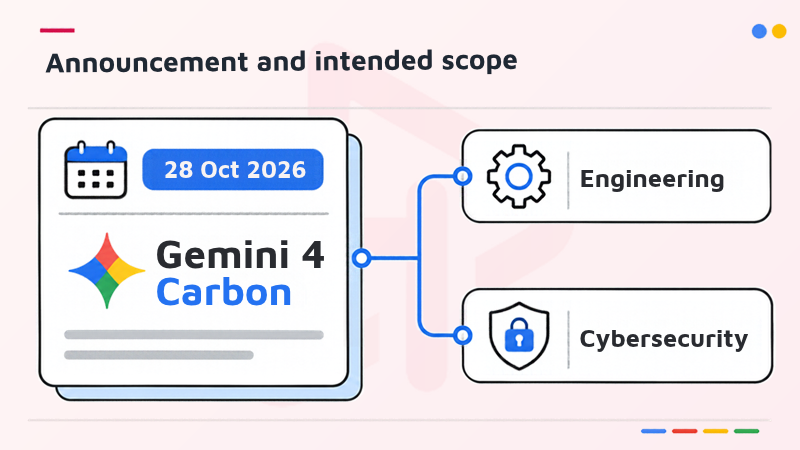
On 28 October 2026, Google introduced Gemini 4 Carbon after the broader rollout of Gemini 4 Argon in October. The company emphasized software engineering, cybersecurity defense, and long-horizon workflows. Google says internal teams have used Carbon for days to trace difficult bugs across large codebases and low-level systems. That is an internal example of persistent execution, not a promise that every user can safely run any task unattended for days.
1.2. Rollout begins with selected cyber defenders
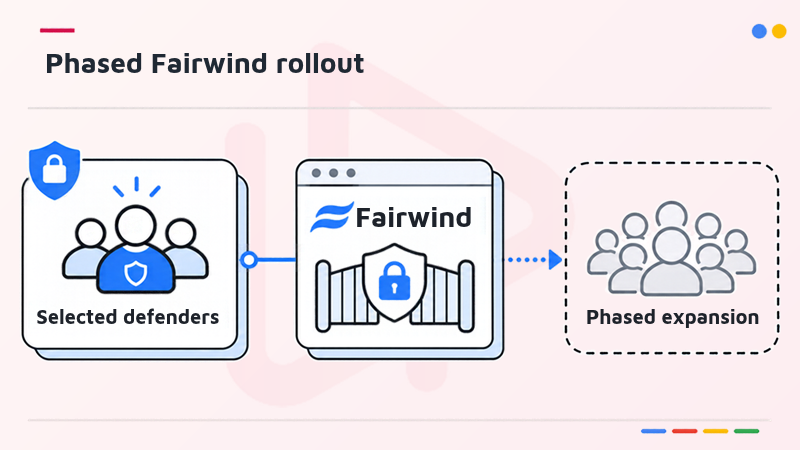
Google plans an initial release to a subset of cybersecurity defenders and subsequent phased expansion to trusted partners through its Fairwind Program. The company has not supplied a general-availability date for developers, businesses or consumers in its launch announcement. Teams should validate eligibility, safeguards, and their own approval workflows before making a procurement or deployment plan.
Read more:
Google Blog: Gemini 4 Carbon announcement
2. What changes in long-horizon agentic workflows
Carbon’s most important positioning concerns the quality of execution over a sequence of decisions, rather than merely the quality of an isolated response. In practice, that distinction is about maintaining context, verifying inputs, and knowing when to stop or escalate. The following behaviors are Google-reported improvements, not universal service guarantees.
2.1. Persist through complex engineering tasks
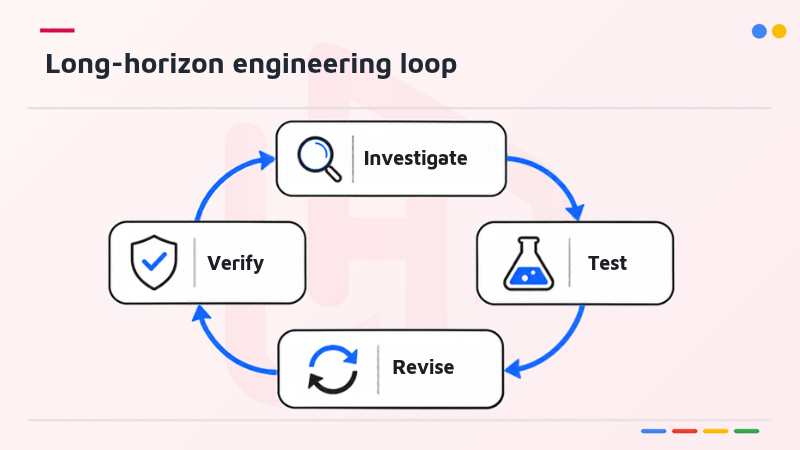
An agent tackling a difficult engineering problem must inspect evidence, identify possible causes, test a hypothesis, revise the plan, and confirm the result. Google’s internal account describes Carbon continuing through dead ends and addressing subtle code defects over extended sessions. For enterprise buyers, the relevant question is how an agent’s steps are logged and reviewed – not whether one impressive demonstration can be reproduced on every workload.
2.2. Clarify ambiguity instead of inventing certainty
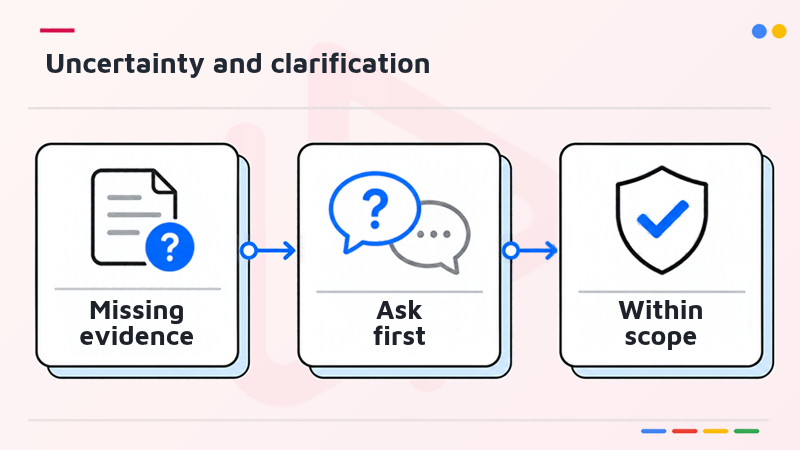
Google says Carbon is better at surfacing missing or contradictory information and asking users for clarification before acting. In internal evaluations, it reportedly produced about two times fewer unsupported claims than Argon, while overreach fell 26% and under-service fell 29%. These figures belong to specific assessments. They do not establish a general rate of accuracy, error elimination, or productivity improvement across organizations.
3. Cybersecurity performance: three different tests
Google reports strong results along the defensive security lifecycle, from identifying a potential weakness to verifying it and producing a repair. Importantly, the three figures do not represent one continuous success rate. Google also states that the referenced cybersecurity evaluations were conducted without guardrails, so production behavior must be assessed separately.
3.1. Finding vulnerabilities: SEC-bench Pro
Carbon scored 88.2% on SEC-bench Pro in Google’s published results. The benchmark evaluates vulnerability-finding performance in software. It is not a statement that Carbon will identify 88.2% of vulnerabilities in an individual company’s environment, where code coverage, threat models, and verification procedures differ substantially.
3.2. Validating exploitability: ExploitGym
Carbon achieved 54.8% on ExploitGym, which Google describes as a way of testing whether suspected vulnerabilities are exploitable. In authorized defensive operations, validation can help teams distinguish theoretical findings from higher-priority risks. The score should not be presented as a live exploitation success rate or as authorization to test systems without permission.
3.3. Fixing root causes: CWE-bench
Carbon reached 71.0% on CWE-bench for code repairs in the published evaluation. A benchmark patch is still different from a production change: engineering teams should review dependencies, test regressions, and maintain rollback procedures. A high result can justify a supervised pilot, not automatic approval to merge model-generated patches.
| Stage | Benchmark | Google-reported result | How to interpret it |
|---|---|---|---|
| Detect | SEC-bench Pro | 88.2% | Vulnerability-finding evaluation |
| Validate | ExploitGym | 54.8% | Exploitability evaluation |
| Remediate | CWE-bench | 71.0% | Code-repair evaluation |
Read more:
Google DeepMind: Gemini 4 performance comparison
4. Carbon vs Argon: improvements and caveats
Carbon follows Argon, but Google’s comparison mixes internal evaluations with external model benchmarks. This distinction matters because measured improvements depend on the test design, baseline, and prompt conditions. A fair editorial comparison should state where Google supplied numbers and where an enterprise team still needs independent validation.
4.1. Internal evaluations of security and behavior
Google reports that Carbon achieved more than twice Argon’s success rate on secure-code generation in internal benchmarking. It also says unsupported claims were approximately halved, overreach dropped 26%, and under-service dropped 29% in its evaluations. These are changes in measured behavior, not proven business savings. The company also reports 0.0% attack success on the evaluated Gray Swan indirect prompt-injection attempts; this does not imply immunity to future attacks.
4.2. Intelligence ranking is not leadership on every task
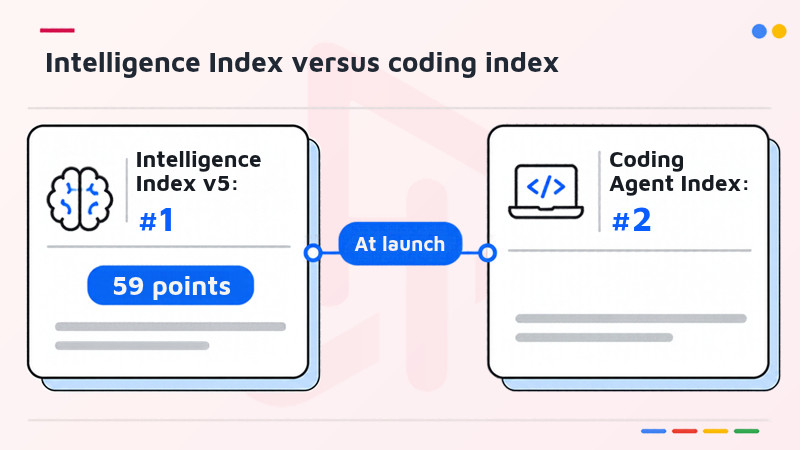
Artificial Analysis placed Carbon first on its Intelligence Index v5 with 59 points when the model launched. The evaluator separately noted that Carbon ranked second on its Coding Agent Index at that time. This is a useful reminder that an aggregate intelligence score cannot substitute for workload-specific coding, security, and reliability tests.
| Measure | Reported comparison | Important limit |
|---|---|---|
| Secure-code generation | More than 2× success vs Argon | Google internal benchmark |
| Unsupported claims | About 2× fewer vs Argon | Google internal testing |
| Overreach / under-service | 26% / 29% reduction | Evaluation-specific behavior |
| Intelligence Index v5 | 59 points; #1 at launch | Index and date-specific |
Read more:
Google Blog: reported Carbon improvements
Artificial Analysis: launch benchmark review
5. What enterprise and marketing operations teams should do
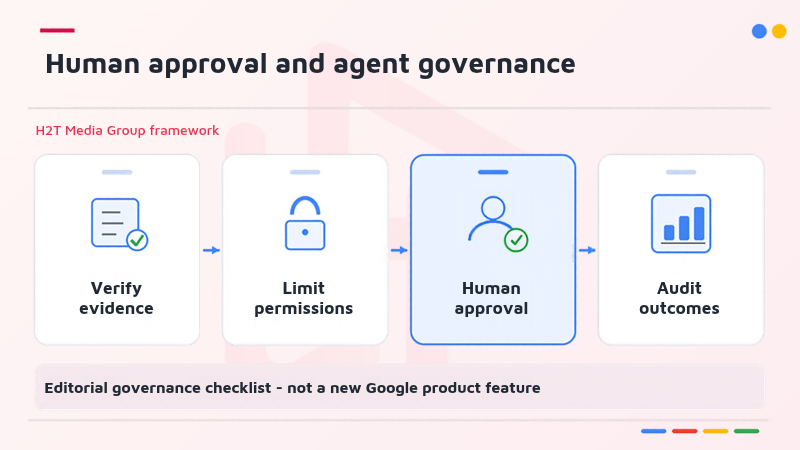
A more capable model does not remove the need for a control framework. H2T Media Group recommends treating agent deployment as a governed workflow: define a narrow task, confirm reliable inputs, limit system permissions, require approval at irreversible steps, and evaluate completed outcomes on representative cases. These are editorial recommendations rather than announced Carbon features.
5.1. Build approval gates around consequential actions
For an engineering or knowledge-work pilot, create a task specification containing the permitted data sources, actions, escalation conditions, and completion criteria. Record which evidence the agent used, which changes it proposed, and which person approved those changes. Evaluate unsupported assertions, scope breaches, incomplete tasks, and the quality of final artifacts. Only expand autonomy after the pilot establishes repeatable performance under real controls.
- Confirm the evidence sources.
- Define least-privilege permissions.
- Set human approval points.
- Run a supervised pilot.
- Measure task completion and failures.
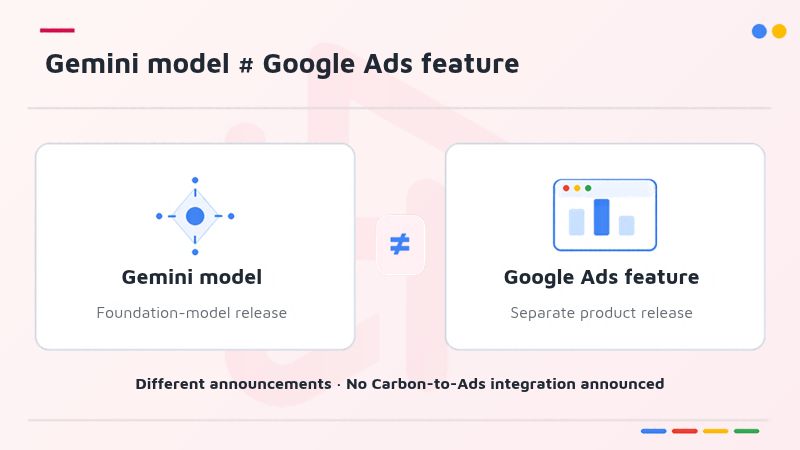
5.2. Keep Google AI model news separate from Google Ads features
Marketing teams can apply the same governance logic to research summaries, campaign audits and documentation checks. That does not mean Carbon has been integrated into Google Ads or Performance Max. For a separate review of actual advertising workflow announcements, see H2T Media Group’s analysis of Google Gemini Drops and the Google Asset Studio video rollout. Each product claim must be checked against its own launch documentation.
6. Access, pricing and the deployment decision
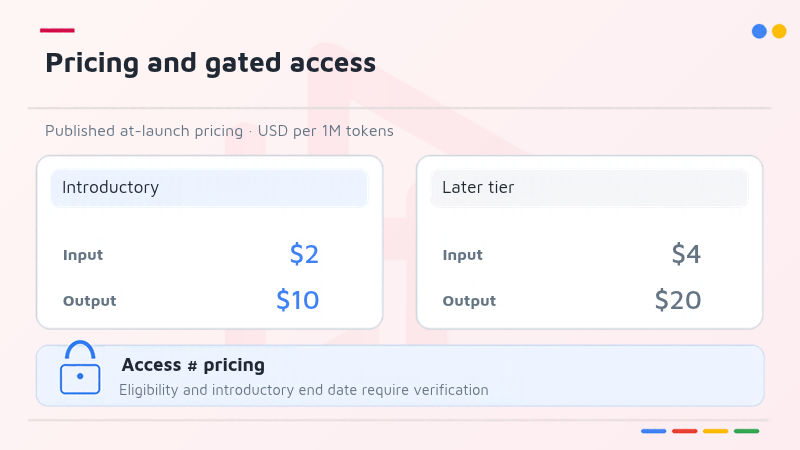
Google announced introductory pricing of $2 per million input tokens and $10 per million output tokens, with cached input discounted by 95%. It says standard pricing after the introductory period will be $4 and $20 respectively, but does not provide the introductory period’s end date in the release. Announced prices do not establish immediate purchasing eligibility for every developer or business. Teams should confirm access, terms, and guardrails directly before planning production use.
A sensible next step is a limited evaluation on authorized, low-risk tasks with human review and predefined exit criteria. For a sensitive security process, require legal authorization and security-team oversight. The strongest operating lesson is not “deploy the newest model everywhere,” but “expand autonomy only when evidence, permissions, and review mechanisms are ready.”
7. Frequently Asked Questions
No general availability was announced on 28 October 2026. Initial access is planned for selected cyber defenders and trusted Fairwind partners, with expansion later.
No. The Carbon announcement concerns an AI foundation model. Google did not describe it as a new Ads or Performance Max feature.
No. It is a result on a named benchmark in a particular evaluation setting and cannot be converted into a universal field-detection guarantee.
Google reports better secure-code generation and improved task discipline on selected internal assessments. Those improvements still require validation for specific workloads.
Not by default. Use least-privilege permissions, explicit approval gates, audit logs and a supervised pilot before authorizing consequential actions.
Conclusion
Gemini 4 Carbon offers a timely example of why enterprise AI is shifting toward long-horizon execution and governance. Its reported benchmarks deserve attention, but evidence limitations and rollout conditions must remain visible. H2T Media Group recommends building narrow, measurable agent pilots rather than assuming model capability equals production readiness. Explore more analysis in our Insights hub, connect with H2T Media Group on Facebook, and follow H2T Media Group on LinkedIn for ongoing technical perspectives.

bichthao
H2T Media Group decodes every meaningful platform update for advertisers and affiliate partners across APAC, EU and North America — always with a practical "H2T take" you can act on.
More about H2T →